Paul's Policies

Kind is Cool.

  • Site Icon
    Covert Escape Tools: Escape Solutions by Unique Titanium - American Outdoor  Guide

    Problem:
    Even premium bike locks can’t stop a thief from rolling your bike into a van in seconds. Traditional U-locks protect frames, but they don’t immobilize the wheels — leaving high-end bikes vulnerable to roll-away theft.

    Solution:
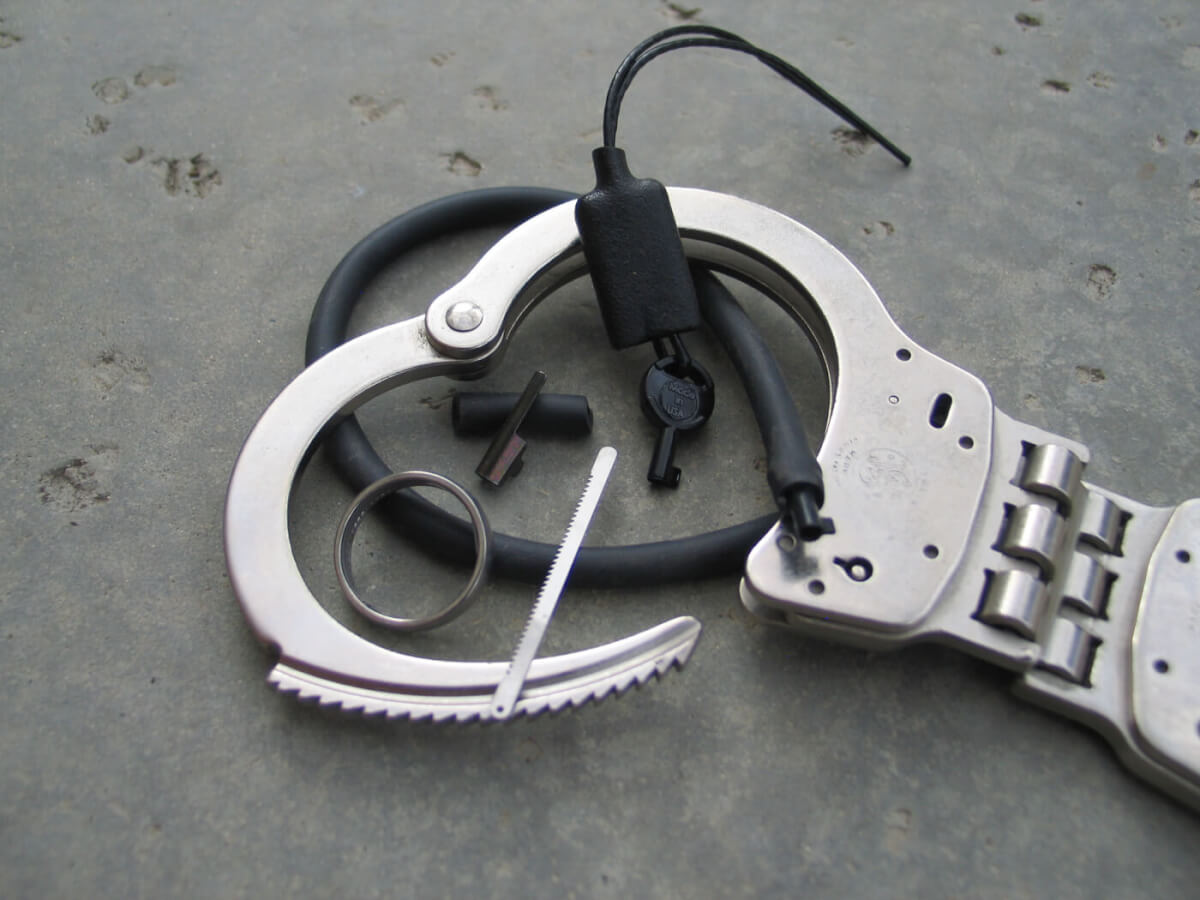
    BrakeLock™ is a titanium, key-locked band that secures your brake lever halfway against the handlebar, engaging the brake pads and locking the wheels in place. This renders your bike immobile — even if thieves cut through frame locks or handcuffs on your wheels. Think of it as a parking brake for bicycles, designed for high-end urban commuters and e-bikes.

    Key Features:

    🔐 Key-Lock Mechanism: Only the owner can release the band, deterring opportunistic theft.

    🛞 Full Wheel Immobilization: Keeps brake pads engaged so the bike won’t roll, even if locks are bypassed.

    🪶 Titanium Construction: Ultra-light, cut-resistant, and weather-proof.

    ⚙️ Universal Fit: Adjustable design fits flat-bar and drop-bar levers on most commuter and road bikes.

    🧰 Tool-Free Install: Snap-on design for daily urban use — no tools required.

    Market Fit:
    BrakeLock™ is ideal for premium urban bikes, e-bikes, and delivery fleets. It complements — not replaces — traditional frame locks by adding a second layer of defense focused on immobilization, not just deterrence.

    You can also get your name and contact info engraved in your BrakeLock for easier verification that the bike belongs to you if it still gets picked up and stolen.

    Tagline:
    “Lock your brakes so your bike doesn’t spin away without you.”

    Stolen Bike in Provo, Utah
  • Site Icon

    The phrase “I would eat you up” serves as a playful yet complex icebreaker, reflecting deeper themes of affection and protection. For Gen Z, it translates into a subtle inquiry about vulnerability: “Do you get flustered and shy when you feel clingy? I’m asking because I want to protect you from others.”

    This sentiment can be compared to cartoon dynamics, like when Tom hides Jerry in his mouth to shield him from danger, prioritizing safety over the instinct to consume. In a historical context, such as the Starving Times in Virginia, one might consider the harsh trade-offs of survival, where the most appealing individuals might become the first choice.

    Ultimately, this phrase encapsulates a blend of humor and a desire for connection while acknowledging the underlying instinctual complexities of human relationships.

  • Site Icon

    Food as a Bridge: Connecting Through Nutrition

    In a world where the disparities in health outcomes are stark, the importance of food as a means of connection cannot be overstated. Food is not just sustenance; it is a bridge between cultures, generations, and communities. Exploring and teaching young people how to prepare nutritious meals from local ingredients can empower them while enhancing their overall well-being.

    Challenges and Opportunities

    Unfortunately, many underserved communities face significant barriers when it comes to accessing healthy foods. By focusing on transportation planning and ensuring access to workplaces, we can shift these communities from being redlined (discriminated against) to greenlined (supported). This movement from exclusion to inclusion opens up a wealth of opportunities for individuals eager to thrive.

    Championing Native American Culinary Traditions

    By championing Native American culinary traditions and fostering dialogue around these issues, we can create pathways for health, opportunity, and mutual understanding. These traditions bring not only nutritional value but also rich cultural stories that are essential to recognizing diversity and fostering community.

    Connect with Native American Communities

    I encourage you to connect with Native Americans in your community to explore how cooking together and integrating their nutritional wisdom can enhance your health, productivity, and overall positivity in daily life. The rich traditions they bring to the table can offer valuable insights into healthy eating and lead to a more fulfilling lifestyle.

    Additionally, organizations like Student Wellness at BYU could play a pivotal role by printing recipe cards featuring meals that are authentic to Native American culture. These resources can help you seamlessly integrate these nutritious recipes into your daily meals.

    Let’s embrace this opportunity to learn and grow together, enriching our lives while honoring the culinary heritage that has endured for generations.

    Expanding Our Community

    Community enrichment is about growing in ways that make you a healthier and more productive citizen of the United States. For some, this means seeking nutrition tips directly from Native American reservations rather than from traditional books.

    Reflecting on my childhood, I grew up watching Reading Rainbow on TV and fondly remember being inspired by its message to “…take a look…” because “it’s in a book.” Although the show was canceled when I was in kindergarten, I recall sneaking into the cupboards early in the morning before my parents woke up, searching for addictive sugary snacks instead of diving into books—because I couldn’t read yet.

    Not all valuable recipes and traditions can be found in a book. The “Reading Rainbow” symbolizes appreciating the beauty after the rain and jotting down noteworthy insights from the people we meet. Consider keeping a diary, blog, or PDF to document the inspiring culinary experiences shared with others.

    Remember, some of the best recipes and wisdom are passed down through personal interaction, not merely through pages. So, let’s make it a point to create our own “books” filled with the diverse culinary techniques and stories we discover in real life.

  • Site Icon

    The Analogy of Bikes and Babies

    The analogy presented here compares the responsibilities of a parent to a bike owner, highlighting how society sometimes expects parents, especially single mothers, to take on burdens alone. Just as a bike owner might feel anxious about leaving their bike unattended due to theft, a parent may feel overwhelmed by their responsibilities, leading to feelings of isolation and fear.

    Introducing BikeTrak

    BikeTrak offers a promising solution for single mothers by providing peace of mind through real-time location tracking and alerts. Here’s how it can benefit users:

    • Location Tracking: The hidden device inside the bottom bracket allows for discreet monitoring of the bike’s location, ensuring that the owner can keep track of it while at work.
    • Notifications: Users receive alerts when their bike is moved or tampered with, enabling timely action without added stress.
    • Safety Assurance: By using BikeTrak, users can avoid the financial burden of car payments and insurance, particularly important for those working minimum wage jobs.

    The Community Perspective

    The discussion about community enrichment and responsibility raises important questions:

    • Support for Individuals with Disabilities: It’s crucial to foster environments where community members feel empowered to ask for help instead of resorting to theft. Building networks that encourage requests for assistance can lead to a more supportive community.
    • Education and Awareness: Active transportation training could be a vital resource for individuals in group homes. It equips them not only with bike safety skills but also fosters connections with others in the community.
    • Valuing Community Connections: The emphasis should be on community support, encouraging meaningful interactions rather than isolating individuals through unnecessary restrictions, such as limiting social interactions.

    The Moral of the Story

    The ultimate message champions the idea that one should be able to enjoy their possessions — much like a bicycle — without the fear of loss or theft. Community support, advocacy, and effective tools like BikeTrak can create an environment where individuals feel secure in their mobility.

    In conclusion, it is about empowerment and ensuring that everyone, including single mothers and individuals with disabilities, can access safe and effective means of transportation without unnecessary barriers.

  • Site Icon

    Every year, more than 2 million bikes are stolen in the U.S. — and fewer than 10% ever make it home. Even if you have the serial number, thieves can strip a frame in minutes, peel off stickers, and sell your bike before lunch.

    I’m building a solution to end that.

    Downtube ID is a new kind of bike identity and theft-prevention system. Here’s how it works:

    🔐 We cut a small 2″ x 2″ pocket into the downtube of your bike frame and place a QR code and barcode safely under shatter-resistant glass. They’re hidden behind a custom cover plate between the downtube and the water bottle cage, which is painted to match your bike. This makes the ID panel invisible to thieves but easy for you or the police to scan if the bike is ever lost or stolen.

    💡 I’m still in the idea stage and looking for partners with the right experience to help me develop a few custom parts — including specialized patent-protected screws and washers and a triangular torque screwdriver with unevenly curved edges. The unique shape would match a custom cutout, so only this tool could install or remove the parts, helping protect the design from copycats and patent theft.

    📍 When you start a ride, you scan your Downtube ID in our app (or Strava). If your bike is stolen while you stop for a snack, the system can track where the thief is going. If the app isn’t active, police can scan the barcode and trace the bike back to the original owner — no questions, no confusion.

    🔧 Premium Upgrade: Our smart mechanical lock uses a small AI-powered tool to tighten the derailleur’s limit screws with one tap in the app. This automatically shifts the bike into its lowest front gear and highest rear gear, locking the drivetrain in place. A threaded insert and interlocking washer secure the screws, making it extremely difficult for a thief to change the gears or ride off.

    Our mission is simple:
    👉 Marry your bike without fear of losing it — and divorce your attorney.

    We’re building a future where every bicycle has a permanent, tamper-proof identity — one that makes recovery easier, stops resale dead in its tracks, and gives riders peace of mind.

    📈 We’re now looking for early supporters, angel investors, and cycling community partners to help us bring Downtube ID to market.

    If you believe bikes deserve better protection — and riders deserve better justice — I’d love to connect. Comment below, message me, or share this post to help us make bike theft a thing of the past.

    #BikeSecurity #CyclingInnovation #Crowdfunding #Startup #DowntubeID #Strava #Micromobility #AngelInvestors #SustainableTransport

  • Site Icon

    If you are a recent immigrant with a green card or a person who is falsely accused of a crime, you deserve the right to obtain a barcode sticker at the southern border or at the first American airport you arrive at, or at your local police department to verify your immigrant status or probation status that links to your immigration paperwork to prove that I.C.E. should not deport you and law enforcement should not determine your sentencing until your complete probation hours or if your immigration paperwork goes missing.

    If companies are paying immigrants a lot more under the Trump Administration for H1-B VISA applicants, the immigrants should have the resources they need to learn how to navigate streets on a bicycle with a potentially lower starting salary.

    The barcode would limit access to the person’s details that the government-issued instigator has domicile purview to see on their account.

    Procedures like this are necessary to prevent wrongful police and ICE arrests as well as improper accusations for criminal misdemeanors, sexual offenses and felonies as well as no-fault collisions

  • Site Icon

    Please start funding healthy distractions and active transportation in group homes rather than lengthy phone calls and masturbation.

    Kind is Cool. Kindness is getting someone with autism on a bike or in the back of a car and on their way to work where they can learn how to use Grammarly and be productive.

    Gifts are fine, but not great. Get sponsor advocates, or better yet, employers, to start paying for financial literacy, e-mail literacy, and active transportation education.

    Word on the street is that bikes are the new porn because the tires are ‘grounded’ and they’re often lonely when riding against the flow of traffic in the direction opposite to the one the arrow in the bike lane is pointing.

    If you want them to stay on their phones and free laptops from Biden at home for an interesting, creative, adaptive job, I guess that’s their choice, but, seriously, there are better ways to spend taxes that focus on what people in group homes really WANT.

  • Site Icon

    Subscribe to continue reading

    Subscribe to get access to the rest of this post and other subscriber-only content.

  • Site Icon

    Safer “Brave” Activities for Kids

    A safer version of bravery is seeking help—disagreeing respectfully with a teacher or mentor, visiting the principal to get matched with a study buddy, or joining after-school activities to blow off steam and finish homework. To make that easy, districts should partner with public libraries, Boys & Girls Clubs, and Youth Guidance–style mentoring academies to create “fun cubicles”: small, supervised study pods with acoustics, charging, and a school-device login so students can join Zoom/Google Meet sessions with teachers when they missed material or struggled to focus.

    Why this works: High-dosage tutoring and near-peer mentoring raise achievement and persistence; SEL and school-based mental-health supports improve behavior and attendance; counselor access expands postsecondary success. The cubicles are simply a delivery vehicle for that evidence-based help.

    Program design (cubicles):

    • Space: Lockable or staff-monitored pods in libraries/Clubs with whiteboards, headsets, and accessible seating.
    • Access: Student ID or QR check-in; staff on duty; clear behavior norms.
    • Instruction: Scheduled 15–30 min teacher office hours + peer tutors; default to small-group sessions (1:2–1:4).
    • Routines: A “Daily Joy Planner” sheet at each cubicle prompts micro-goals (one homework task + one connection) to build self-efficacy.
    • Safety: Caregiver contact option; no weapons policy; trauma-informed staff.

    Equity: Target sites near high-need schools; offer device/wi-fi lending; include ADA-compliant pods; train staff in welcoming students who don’t have steady adult help at home.


    United Way “Safe Route” mobile phone application

    Personal suggestion: Ask United Way to steward a lightweight applet that surfaces the safest & shortest route (via Google Maps APIs) to a partner site—optimized for bike, walk, bus, or carpool.

    Features:

    • Mode chooser (bike/walk/transit/carpool) with safety overlays: lighting, bike lanes, crossings, and recent incident flags.
    • Waypoints: “Nearest open study pod now” + ETA to a teacher’s next office-hour slot.
    • Check-in/guardian ping (opt-in): “Arrived at Library Pod #4, session ends 5:15 PM.”
    • Low-data mode + multilingual UI; anonymized analytics; strict privacy (no location sharing beyond chosen contacts).
    • Transit tie-ins: Bus pass codes or micro-vouchers where partners allow.

    Why it helps: Reduces frictions that keep students from connecting with capable adults (mentors, tutors, counselors), the exact network that grows ambition and self-reliance.


    Brand & Culture Hook

    Motto: “Kind is cool.”
    Use it as the program’s visual anchor—on cubicle decals, planner sheets, staff lanyards, and student badges. Pair each session with a Kindness micro-goal (e.g., “thank your tutor,” “help a classmate start problem #1”). SEL research shows that small, repeated prosocial acts strengthen belonging, self-control, and achievement.


    Implementation

    • Sites: Public libraries, Boys & Girls Clubs, Youth Guidance–type academies.
    • Staffing: One site lead + vetted volunteers/near-peers; scheduled teacher office hours.
    • Cadence: Students book 3–5 sessions/week (15–45 min), aligned with class pacing.
    • Data we track: Session count, minutes tutored, homework completion, GPA/credits, attendance, suspensions, and postsecondary steps (FAFSA/apps).
    • Counselor link: Route students needing more support to school counselors (work toward 250:1 ratios) and SBMH clinicians when indicated.

    Evidence

    • Ambition: High-dosage tutoring → ~0.16–0.37 SD math gains; summer melt supports → +3–7 pp college entry.
    • Self-reliance: SEL meta-analysis → +11 percentile points achievement; SBMH → suspensions ↓ / math ↑; Check & Connect → +25 percentile staying-in-school index.
    • Connections: Mentoring (e.g., BBBS) → arrests −6 pp, substance use −7 pp at ~18 months; counselor access matters.

    Conclusion

    Children copy what they see; our job is to replace risky scripts with belonging, mastery, and kindness. A practical package—fun study cubicles in libraries and youth clubs, a United Way “Safe Route” companion to get students there, high-dosage tutoring + SEL/SBMH, and scheduled teacher/near-peer office hours—translates the best evidence into everyday access. Brand it with “Kind is cool” to make prosocial behavior visible and aspirational. Upstream, these supports build ambition, self-reliance, and networks of capable adults; downstream, courts can extend the same logic with a third, treatment-informed sentencing path focused on measurable behavior change and public safety.

  • Site Icon

    The deal with DEI Charlie Kirk has overlooked is that the National Business Roundtable could seek to make equity a priority when investing in a more at-risk younger neurodivergent workforce with Gen Z skills and abilities, capable of using newer programs and technologies, at a risky but worthwhile cost of being paid more overtime without federal taxes to catch up to speed with the programs and technologies that the company is actually using, but adding new programs to increase work creativity and freedom.

    I agree with Charlie Kirk, the founder of Turning Point USA that College is a scam in certain ways. Learning about critical race theory and DEI in college is a waste of time in its present context. Critical race theory teaches students to be critical of race before using critical thinking skills to assess what, where, when, how, and why a crime in history or current news took place. In effect, it teaches students to be more racist. And DEI allows employers to discriminate against white employees who merit the position more if a candidate of color has a diverse-sounding name, despite having fewer qualified skills, so the company can hire the desired percentage of people of color. This sort of workplace culture is active discrimination and puts on a self-deprecating facade of inclusion that could become severe and pervasive if the applicant is hired with far fewer skills and abilities than their coworkers, with no accommodations of additional training time after being hired to catch up.

    Growing up, before I was familiar with the Department of Equity and Inclusion, I would have assumed the acronym stood for Debt, Equity, and Insurance; relevant expenses to a business that could predict the measure of talent that younger Generation Z employees may offer in marketing and finance roles. Going into debt to buy a new marketing stack that unites a team over company data on a single website to get additional perspectives could be useful. Using equity to buy stock in a competitor of complementary goods and services suggested by a new employee’s burgeoning perspective could elucidate weak points to resist the company’s hate group of customers, and insurance benefits for values-based therapy could keep their employees less consumed by perceived threats and more engrossed in developing the company’s values in themselves.

    While I can appreciate the intent to diversify lived experiences in the workforce, DEI isn’t doing that either, because all it does is submit to hiring quotas based on an applicant’s race. I’m happy that Utah banned DEI, but I am also hopeful that companies continue to keep their eyes fixed on Generation Z and the lessons they can learn with them to increase revenue and use debt, equity, and insurance to their advantage instead.